Project
WELL-ASIA investigates the expanding and lucrative wellness industry in Southeast Asia, and the transnational mobilities and inequalities associated with it.


Southeast Asia has long been a crossroads of multiple healing traditions and practices circulating across borders, often with deep historical roots. These practices are being increasingly commercialized in a global post-pandemic context as people around the world seek experiences to improve their physical and emotional wellbeing through practices such as yoga, meditation, spa therapies, detoxifying treatments and sound healing.
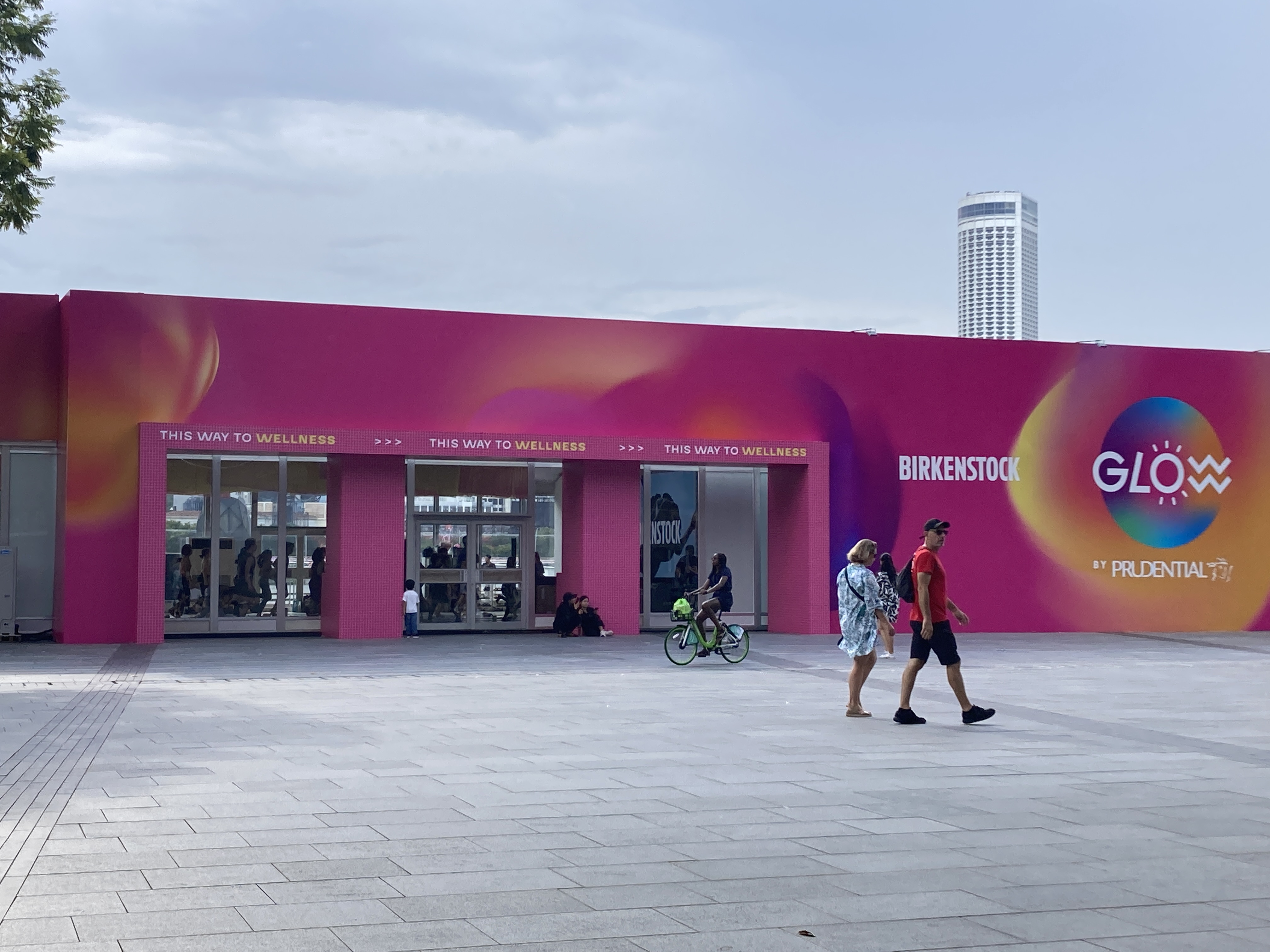
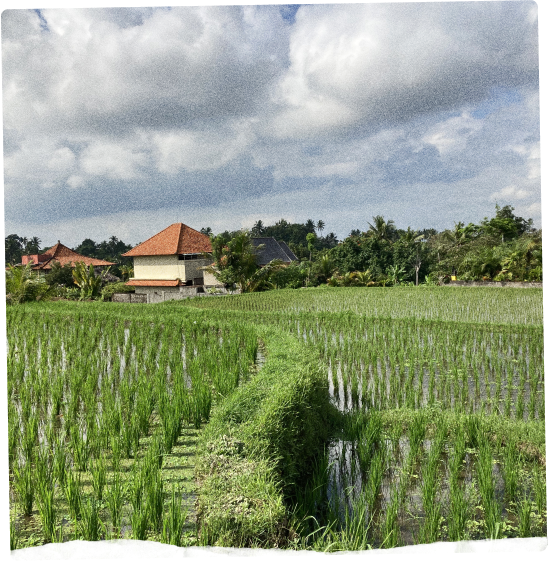
WELL-ASIA adopts a multidimensional focus on the transnational encounters and interactions between those who labour in the industry, those who seek and consume wellness experiences, and the local communities involved. This multi-sited ethnographic study focusses on three sites that exhibit both the diversity and distinctiveness of wellness in the region: Singapore, Chiang Mai, and Ubud.
WELL-ASIA contends that the expansion of commercial wellness is unevenly transforming local economies, reconfiguring transnational mobilities, and bringing to light emergent, highly mobile, and marketable visions of what it means to be well in the world today. It aims to illuminate both the aspirational, creative, and generative aspects of the wellness industry; as well as its less visible inequalities and consequences.
Research
WELL-ASIA has as its primary objective to understand who and what drives the expansion of the wellness industry across contemporary Southeast Asia and its transformations of labour, mobility, tourism and local livelihoods.
It’s overarching questions are
What social, economic and moral transformations, and what new patterns of inequality does the pursuit of wellness generate?
How are diverse interests negotiated in the transnational encounters between (i) those who labour in the wellness industry and provide its services and experiences (ii) the tourists and travellers who consume its services, and (iii) the local communities involved?
Methodologically, the interdisciplinary project team will use ethnography as the primary method, alongside a range of complementary qualitative approaches such as analyses of digital and visual content and historical research. In addition to disseminating project findings through academic publications (books and peer-reviewed journal articles), we will work with an ethnographic filmmaker, as well as with local artists to develop creative, public-facing outputs.
A multi-sited ethnography across Singapore, Chiang Mai, and Ubud explores comparisons and connections in wellness practices across the region.
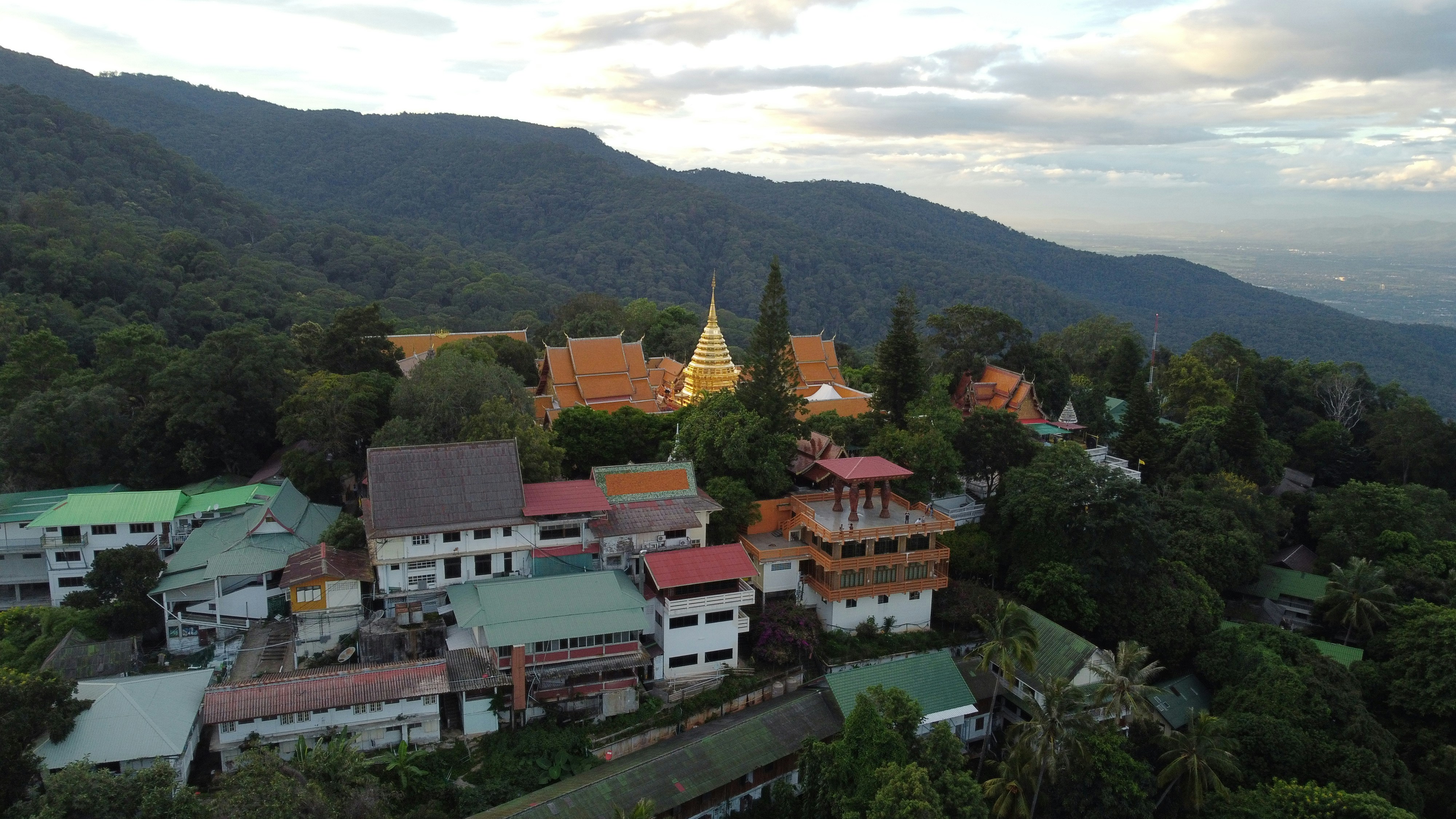
Chiang Mai
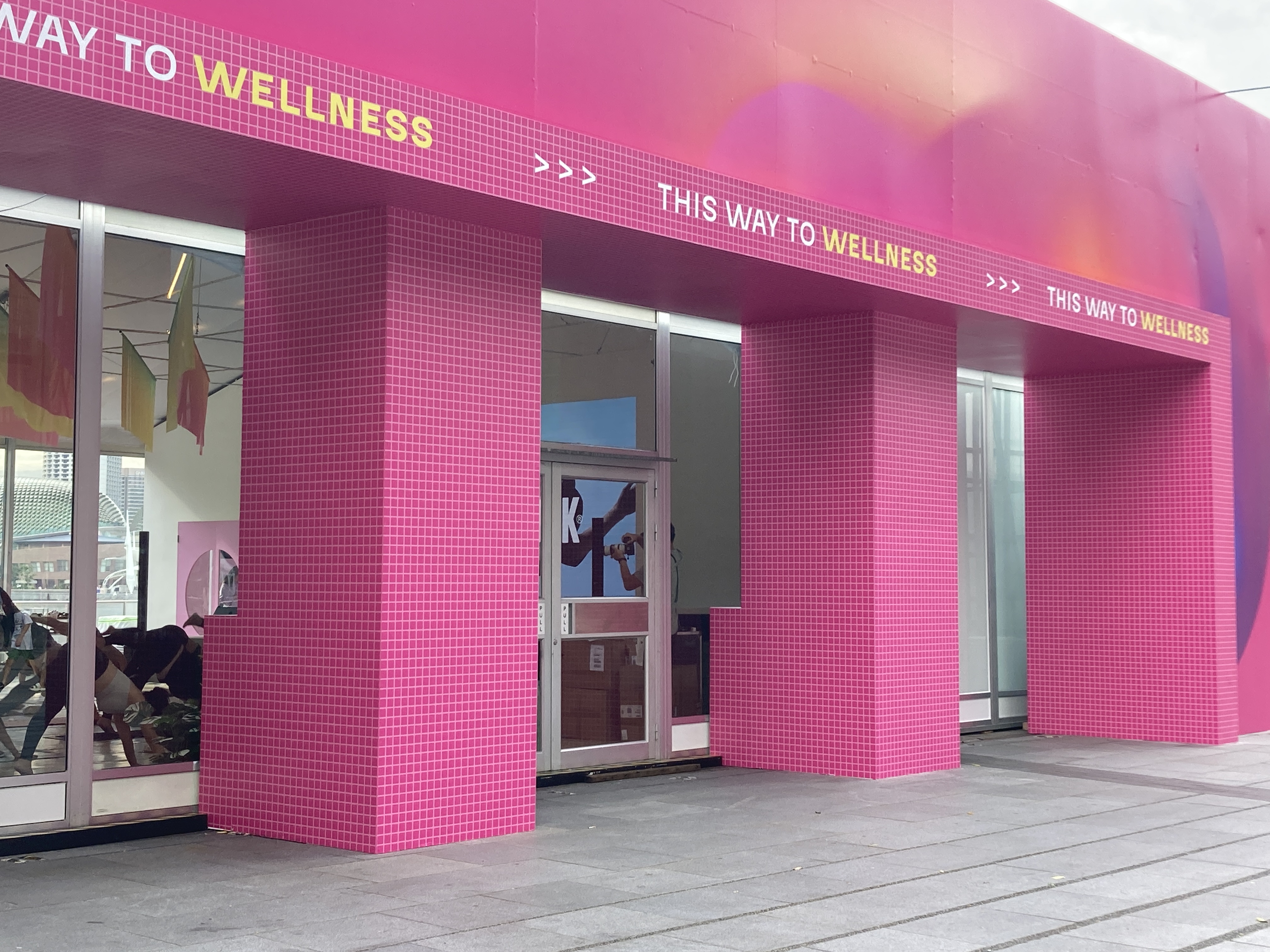
Singapore
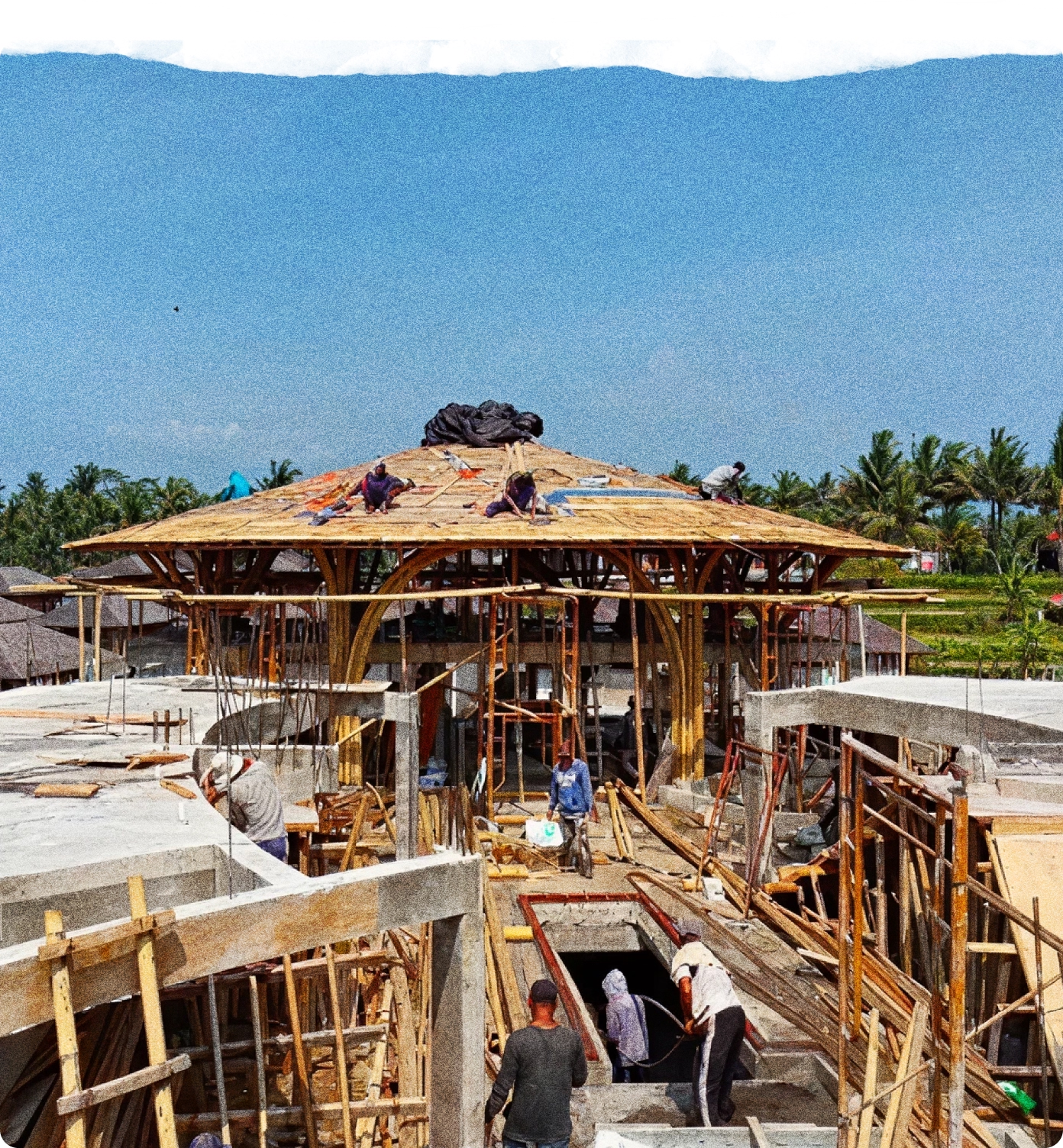
Ubud
Funded by the European Union. Views and opinions expressed are however those of the author(s) only and do not necessarily reflect those of the European Union or the European Research Council Executive Agency (ERCEA). Neither the European Union nor the granting authority can be held responsible for them.